
What Buyers Think About Fixer-Uppers
- Tracy Sutherland

- May 27
- 3 min read
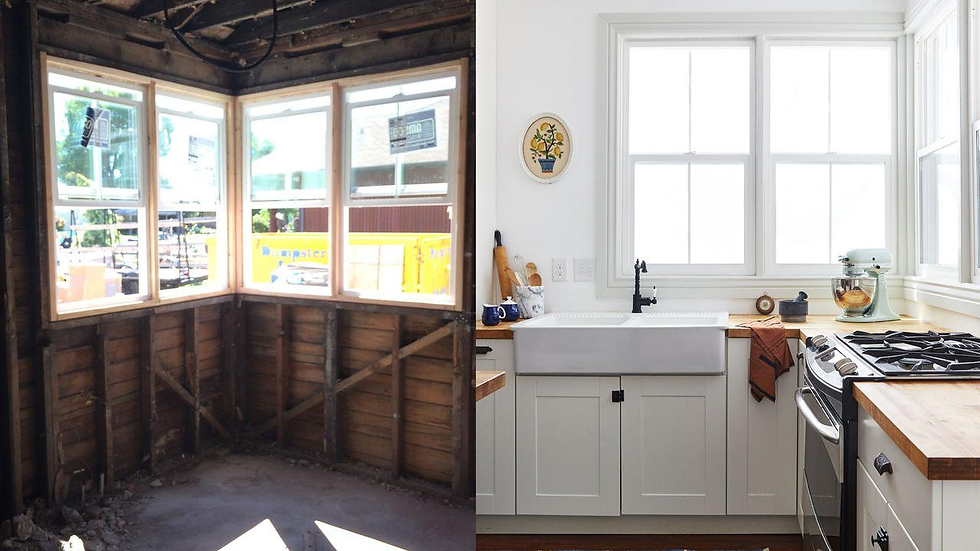
Fixer-upper homes continue to attract a wide range of buyers, especially those looking for lower purchase prices, customization opportunities, or long-term investment potential. However, buyers also carefully consider the costs, time, and effort involved before committing to a renovation project. Understanding how buyers view fixer-uppers can help sellers position these properties more effectively in today’s market.
Buyers See Potential and Opportunity
Many buyers are attracted to fixer-uppers because they see the opportunity to create a home that matches their personal style and needs. Purchasing a home that needs updates may allow buyers to:
Customize finishes and layouts
Renovate at their own pace
Enter desirable neighborhoods at lower prices
Increase property value over time
For creative buyers and investors, fixer-uppers can feel like exciting opportunities rather than challenges.
Affordability Appeals to Many Buyers
In competitive or expensive markets, fixer-uppers often attract buyers who may not otherwise afford certain locations or larger homes.
Lower purchase prices can make fixer-uppers appealing to:
First-time buyers
Investors
DIY homeowners
Buyers seeking long-term equity growth
Many buyers are willing to trade move-in-ready condition for better location or additional square footage.
Renovation Costs Are a Major Concern
While buyers may appreciate the lower initial price, renovation expenses are often one of the biggest concerns associated with fixer-uppers.
Common buyer worries include:
Unexpected repair costs
Contractor availability
Permit requirements
Rising material prices
Budget overruns
Homes needing major structural or system repairs may discourage buyers who want predictable costs.
Move-In Ready Homes Still Attract More Interest
Although some buyers love renovation projects, many modern buyers prefer move-in-ready homes that require minimal immediate work.
Busy families and professionals often prioritize:
Updated kitchens and bathrooms
Functional systems
Fresh paint and flooring
Modern layouts
Energy-efficient upgrades
Fixer-uppers may attract a smaller buyer pool compared to fully updated homes.
Buyers Often Focus on Location
Location can strongly influence how buyers feel about fixer-uppers. Many buyers are more willing to renovate if the property is located in:
Desirable neighborhoods
Waterfront communities
Strong school districts
High-demand real estate markets
A great location often increases buyer willingness to invest in improvements.
Cosmetic vs. Major Repairs Matters
Buyers usually feel more comfortable with homes needing cosmetic updates rather than major structural repairs.
Cosmetic improvements may include:
Paint
Flooring
Fixtures
Landscaping
Cabinet updates
Major concerns that may discourage buyers include:
Roof replacement
Foundation issues
Plumbing or electrical problems
Water damage
HVAC replacement
The scope of repairs significantly affects buyer interest.
HGTV and Renovation Trends Increased Interest
Home renovation shows and social media have made fixer-uppers more appealing to some buyers. Many people are inspired by:
Before-and-after transformations
DIY projects
Custom renovation ideas
Investment opportunities
However, buyers are also becoming more realistic about the time, effort, and costs involved.
Financing Can Be More Complicated
Some fixer-uppers may not qualify for traditional financing if the condition is too poor. Buyers sometimes need:
Renovation loans
Additional cash reserves
Specialized financing programs
This can limit the number of qualified buyers for heavily distressed properties.
Final Thoughts
Buyers often see fixer-uppers as opportunities for customization, investment, and affordability, especially in desirable locations. However, renovation costs, project complexity, and time commitment remain major considerations. Homes needing mostly cosmetic improvements tend to attract more interest, while major repair projects appeal more to experienced buyers and investors. Understanding buyer expectations can help sellers market fixer-upper properties more effectively and realistically.


Comments