
How Window Placement Changes the Way Rooms Are Used

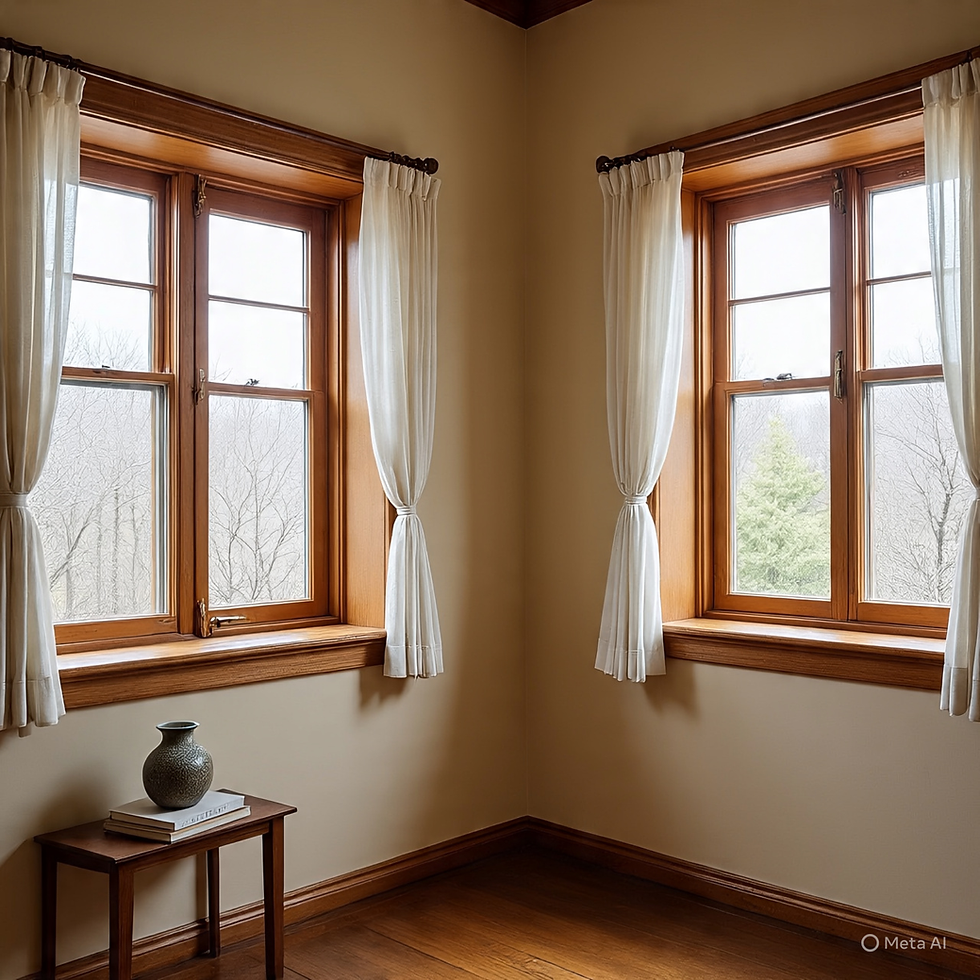
Windows do more than bring in light. Where they’re placed influences how buyers understand, arrange, and live in a space.
Furniture Placement Becomes Clearer
Well-placed windows allow buyers to imagine where furniture fits without blocking light or views. Poor placement can limit layout options and make rooms feel awkward.
Natural Light Guides Function
Rooms with windows positioned to capture morning or afternoon light naturally lend themselves to certain uses. Buyers instinctively place workspaces, seating, or dining areas where light feels best.
Sightlines Shape Perception
Windows that frame views or align with doorways draw the eye outward, making rooms feel larger and more open. Buyers respond positively to spaces that feel visually connected.
Privacy Feels More Controlled
Thoughtful window placement balances light with privacy. Buyers appreciate when windows don’t directly face neighboring homes or busy areas.
Flow and Movement Improve
Windows placed near transitions help rooms feel connected without feeling exposed. Buyers notice when spaces flow naturally around light sources.
Why This Matters
Window placement affects how a room lives, not just how it looks. Homes that use light intentionally feel more functional, comfortable, and valuable.
Light doesn’t just enter a room. It directs how the room is used.


Comments