
Earnest Money Explained: What Buyers Need to Know in Real Estate Deals

Earnest money is one of the first real costs a buyer pays after a seller accepts an offer. It shows commitment. It also gives the seller some protection while the home is off the market.
This deposit can affect your cash, your contract, and your risk. Here is how it works in a typical U.S. home purchase.

What earnest money is
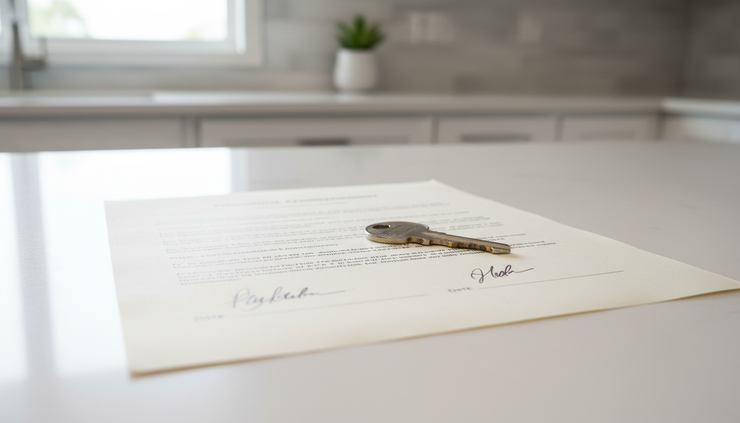
Earnest money is a deposit made by the buyer after the purchase agreement is signed. It is not an extra fee. It is money placed in escrow to show the buyer plans to move forward with the deal.
The deposit is usually held by a neutral third party, such as:
A title company
An escrow company
A real estate brokerage
An attorney, in some states
The contract should state who holds the money, when it is due, and what happens to it under different outcomes.
This matters because earnest money is tied to performance under the contract. If the buyer follows the contract and closes, the money is credited back to the buyer. If the buyer backs out without a valid reason, the seller may have a claim to it.
This article is for general information only. Real estate contracts and state laws vary, so ask a qualified local professional about a specific deal.
Why earnest money matters
Earnest money helps both sides take the agreement seriously.
For the seller, an accepted offer often means lost time with other buyers. The seller may stop showings, decline backup interest, and start planning a move. If the buyer walks away for no contract-based reason, the seller could lose time and money.
For the buyer, the deposit helps make the offer stronger. A reasonable deposit tells the seller the buyer has funds ready and is making a serious offer.
Earnest money is a sign of good faith, but it is also a contract tool. The exact protection comes from the written agreement.
It also creates structure. The contract sets deadlines for inspections, financing, appraisal, and closing. Earnest money gives those deadlines weight.
How much buyers usually pay
Earnest money amounts vary by market, price range, and offer strength. In many U.S. transactions, buyers deposit about 1% to 3% of the purchase price.
For a $400,000 home, that could mean:
Purchase price | 1% deposit | 3% deposit |
$400,000 | $4,000 | $12,000 |
Some markets use flat amounts instead, such as $1,000, $5,000, or $10,000. In a competitive market, a buyer may offer more to stand out. That can help, but it also increases the amount at risk if the buyer defaults.
A larger deposit is not always better. The right amount depends on:
The strength of the offer
Local norms
The home price
The buyer’s cash position
The contract protections in place
The safest approach is to make a deposit that shows commitment without putting unnecessary cash at risk.
How earnest money gets applied at closing
If the sale closes, the earnest money is applied to the buyer’s costs. It may count toward the down payment, closing costs, or the total cash due at closing.
Here is a simple example.
A buyer agrees to purchase a home for $400,000 and deposits $8,000 in earnest money. If the deal closes, that $8,000 does not disappear. It appears as a credit on the closing statement.
That means the buyer brings less money to closing than they would have without the deposit.
The title company or closing agent tracks the funds. The final settlement statement should show the earnest money credit clearly.

What happens if the deal falls through
This is where earnest money gets serious. Who gets the money depends on the contract and the reason the deal ends.
Most purchase agreements include contingencies. These are conditions that allow a buyer to cancel and keep the earnest money if the buyer acts within the deadline.
Common contingencies include:
Inspection
The buyer can inspect the home and may cancel or negotiate repairs within the inspection period.
Financing
The buyer can cancel if the loan is denied, as long as the buyer followed the contract terms.
Appraisal
The buyer may have protection if the home appraises below the purchase price.
Title
The buyer can object if title problems cannot be resolved.
If a buyer cancels under a valid contingency and follows the notice rules, the earnest money is usually returned.
If the buyer misses deadlines, changes their mind, or refuses to close without a valid contract reason, the seller may be entitled to the deposit. In many contracts, this is called liquidated damages. The details vary by state and by agreement.
If the seller breaches the contract, the buyer may be entitled to the deposit back. In some cases, the buyer may have other remedies. The contract and local law control those options.
Disputes can slow the release of funds. Escrow holders often require written instructions from both parties before releasing earnest money. If the parties do not agree, the money may stay in escrow until the dispute is resolved.
How buyers can protect their deposit
Buyers can reduce risk with careful planning.
Read the contract before sending the deposit. Pay close attention to deadlines. A one-day delay can matter.
Make the deposit only to the party named in the contract. Avoid wiring money based only on email instructions. Wire fraud is a real risk in real estate. Confirm instructions by phone using a trusted number.
Keep proof of payment. Save receipts, wire confirmations, and escrow notices.
Use contingencies that match the situation. Waiving protections can make an offer stronger, but it increases risk.
Track key dates, including:
Earnest money due date
Inspection deadline
Loan approval deadline
Appraisal deadline
Closing date
A good agent or attorney can help manage these dates, but the buyer should know them too.

FAQ
Is earnest money required?
Not always, but it is common. A seller may reject an offer with no deposit, especially if other buyers are competing.
Who holds the earnest money?
A neutral party usually holds it. This is often a title company, escrow company, brokerage, or attorney. The contract should name the holder.
Can I get my earnest money back after inspection?
Yes, if the contract includes an inspection contingency and you cancel within the allowed period. The notice must follow the contract terms.
Does earnest money go toward the down payment?
Yes, in a closed sale it is usually credited toward the buyer’s cash due at closing. It may reduce the amount needed for the down payment or closing costs.
What if the seller refuses to release the deposit?
The escrow holder may keep the money until both parties sign a release or a legal decision is made. The contract should explain the process.
The key takeaway
Earnest money is more than a deposit. It is a promise backed by cash. It helps sellers trust the offer and helps buyers show they are serious.
The main rule is simple. If the buyer follows the contract, the money usually comes back as a closing credit or refund. If the buyer breaks the contract, the money may be at risk.
Before making an offer, understand the deposit amount, deadlines, contingencies, and release rules. For help with a specific purchase, contact The Sutherland Group before you sign.

Comments